Actors
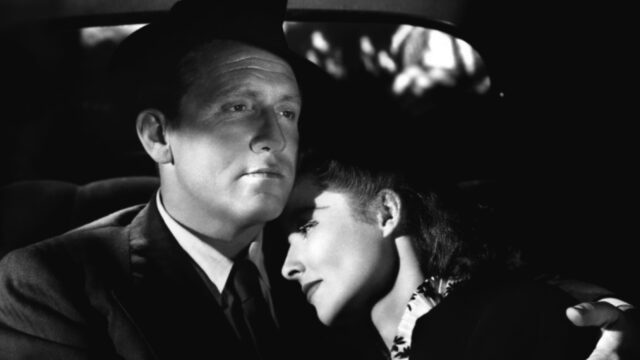
Why You Should Be a Fan of Spencer Tracy
As a kid, my favorite screen actor was Spencer Tracy. Like his close friend Bogart, the Ohio-born Tracy was not leading-man handsome, but became a star by projecting a unique and very human quality that viewers could readily access and admire: an everyman’s solidity masking an underlying sensitivity. He was known in Hollywood as the foremost “actor’s actor”— the player other actors measured themselves against. It’s easy to see why.
History
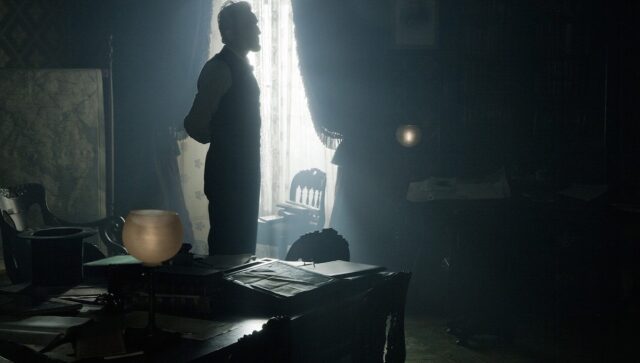
25 Great Movies For Our “Historically Illiterate” Children
I’ll never forget the segment on “60 Minutes” a couple of years ago, when Morley Safer interviewed our most famous living historian, David McCullough.

Actors
How Pacifist Actor Richard Widmark Could Turn Violent On-Screen
In 1947, a successful young radio actor named Richard Widmark arrived at Twentieth Century Fox in Hollywood to try out for his first film. His hope was to be cast in “Kiss of Death,” another in a series of dark crime dramas popular after the Second War which would eventually become known as “film noir.”
Biographical
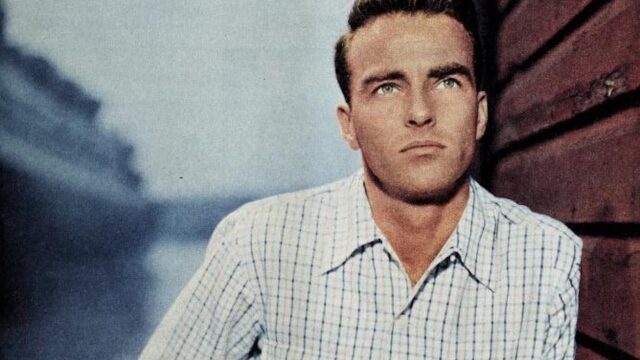
Fallen Star: How Montgomery Clift Self-Destructed
By the age of thirty, Montgomery Clift seemed to have everything: youth, beauty, talent, and the prospect of a lucrative film career with limitless possibilities. Along with his friend and colleague Marlon Brando, Clift was the most visible and gifted of a new generation of movie star who’d been trained in “the Method” at Lee Strasberg’s Actor’s Studio. The Studio’s fundamental goal was to help actors inhabit their characters more fully in order to achieve greater realism and intensity in their performances.
Actors
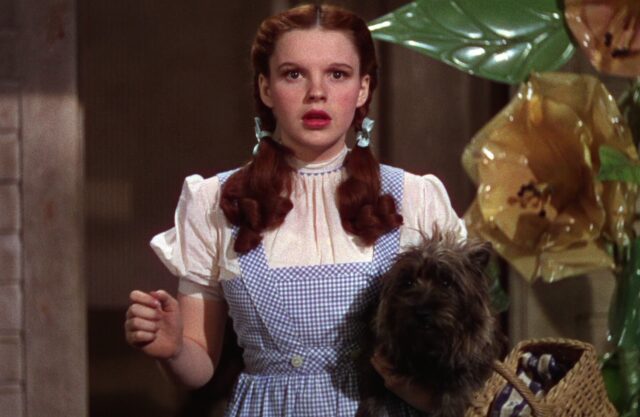
Did Judy Garland Ever Have a Chance?
Just like the image of her fragile, unconventional beauty trapped within the glow of a tight spotlight, Judy Garland’s life as a performer was surrounded by a vast darkness. She gave the world her special gift, and it gave back not a shred of happiness. There was an overarching sadness about her that only grew more pronounced as the hard years went by. As Frank Sinatra put it, “When she sang, it always felt like she died a little.”
It was tragic pretty much from the outset. When overbearing show mom Ethel Milne found she was pregnant with her third child by husband Frank Gumm, she attempted to induce miscarriage by throwing herself down a flight of stairs. Failing that, she tried to get an abortion. This desire may have partly stemmed from Ethel’s growing suspicion that her husband was homosexual. Regardless, a family friend finally convinced the couple that this little one would be a blessing. They hoped for a boy.
On June 10, 1922 they welcomed their third daughter – Frances Ethel Gumm – the combined hopes of her mother and father right there in her name.